
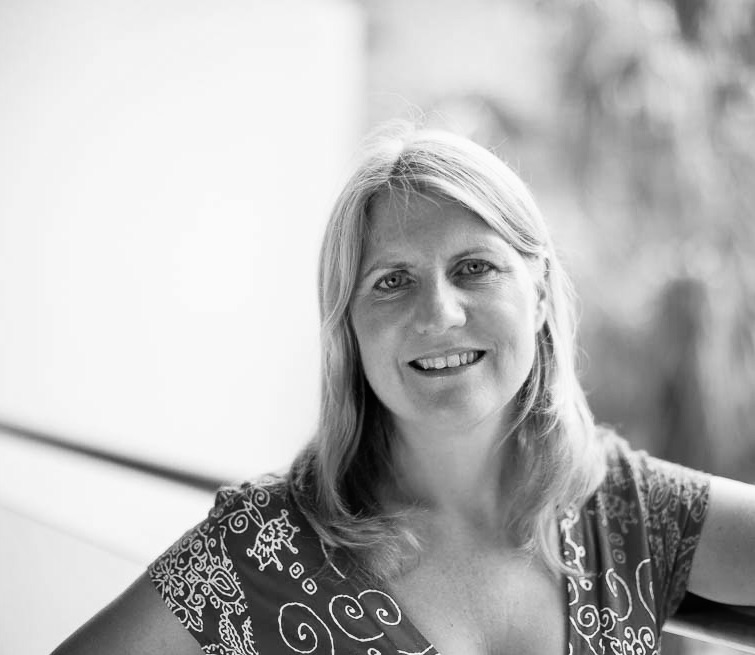
A/prof Linda Knight
Director, Mapping Future Imaginaries
Linda is an artist and academic who specialises in critical and speculative arts practices and methods. Linda devised ‘Inefficient Mapping’ as a methodological protocol for conducting fieldwork in projects informed by ‘post-‘ theories. In her role as Associate Professor at RMIT University, Australia, Linda creates transdisciplinary projects across early childhood, creative practice, and digital media.
Email me: linda.knight@rmit.edu.au
A/prof Sonja Arndt
Sonja’s scholarship intersects feminist poststructuralist philosophies of human and more-than-human Otherness and early childhood education. She has a particular interest in disrupting universalising superficialities in the often-neglected area of teachers’ cultural/racial Otherness. Sonja publishes widely, collaborates with national and international networks, and is a co-series editor of the book Children: Global Posthuman Perspectives and Contemporary Theory and Vice-President of the Philosophy of Education Society of Australasia. Her current research has been awarded an ARC DECRA – it focuses on notions of teacher identity constructions in Australia and Aotearoa, New Zealand, to question the uncertainties that arise in unknowing the self, where we are all strangers even to ourselves.
Email me: sonja.arndt@unimelb.edu.au


Dr Lone Bertelsen
Lone Bertelsen is a researcher, educator and writer. She works across the fields of activist and feminist thought and praxis, emphasising rethinking the nature of the social. She collaborates with the 3 Ecologies Institute/SenseLab and was a Postdoctoral Fellow on the Immediations: Art, Media, Event project. She is one of the editors of the Fibreculture Journal and has taught at Macquarie University and the University of NSW. Her research has been published in Theory, Culture and Society, The Affect Theory Reader, the Fibreculture Journal and Performance Paradigm.
Email me: bertelsen.l@gmail.com
Prof Alethea Blackler
Thea is in the School of Design at QUT, Australia. Thea explores intuitive interaction (in which she is a world leader), older people, technology and design for dementia, and novel technologies for active play for young children (ARC Discovery). She has attracted and worked with external government, community and industry partners on various projects and has had three Australian Research Council grants. She is a very experienced HDR supervisor, with 10 current PhD students and 16 PhD completions. She has published more than 90 peer-reviewed papers, has been invited to present internationally, and has received several awards, including a 2018 ig-nobel.
Email me: a.blackler@qut.edu.au

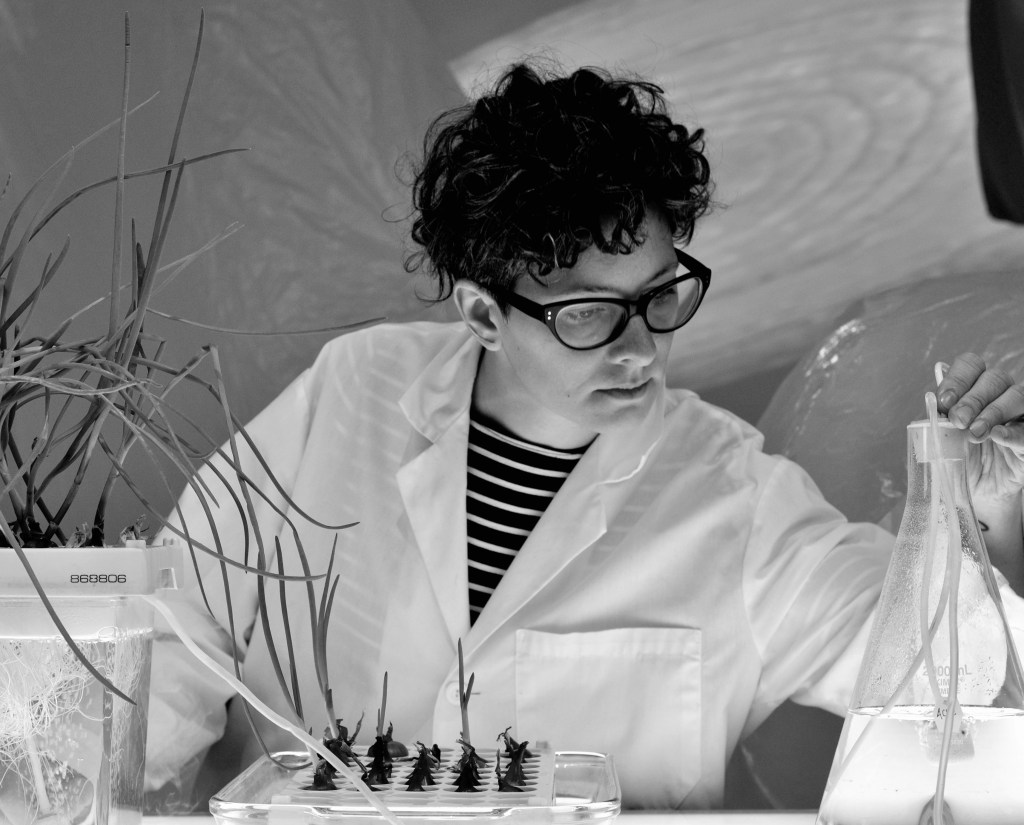
Lilly Blue
Lilly Blue is an interdisciplinary artist and educator with an international profile in pedagogical practice, studio research and community engagement. Lilly is Head of Learning and Creativity Research at the Art Gallery of Western Australia, where she amplifies children’s experiences as critical and valuable in developing culture with multigenerational public audiences. As a Teaching Artist and Creativity Consultant for the Sydney Opera House, Lilly was instrumental in developing the Creative Leadership in Learning Program and The Creativity Framework. She is the Creative Director of contemporary arts publication BIG Kids Magazine.
Email me: lilly.blue@artgallery.wa.gov.au
Leah Bobet
Leah is an award-winning novelist, poet, editor, and community organizer whose work intersects climate, food sovereignty, and building structurally generous community relations. In both fiction and organizing, her work traces practical routes to everyday agency, modern I-Thou relations, social repair, and the sustainable inflection points between expression and action. Her fiction is taught worldwide. She holds a B.A. in Linguistics and is studying Food Security at Toronto Metropolitan University.
Email me: leah@leahbobet.com


Dr Lenine Bourke
Lenine is a freelance artist and consultant with a long and varied career in the arts and cultural sectors nationally and internationally, leading various organisations and projects. Lenine is an engaging and skilled practitioner and arts executive who has deliberately developed a career across a wide variety of art forms, research, policy development, writing and service delivery. She’s worked on projects worldwide and most recently established The Walking Neighbourhood project, a performative work that explores young children’s geographies in their local environments.
Email me: lenine@thewalkingneighbourhood.com.au
Jacklyn Brickman
Jacklyn is a visual artist whose work entangles science fact with fiction to address social and environmental topics through natural objects, processes, and technology. Based in Columbus, Ohio, USA, Jacklyn’s work spans installation, video, and performance, with a special interest in cross-disciplinary collaboration and social engagement. Fellowships include The National Academy of Sciences, Chaire Arts et Sciences, The Ohio State University, U.C. Davis, Jentel Foundation, Popps Packing, National Endowment for the Arts, Erb Family Foundation, Connecting Heritage- Maryland Milestones/ Anacostia Trails Heritage Area, and the Pyramid Atlantic Art Center. Jacklyn has exhibited in the US, Canada, France, India, and Slovenia.
Email me: brickman.jacklyn@gmail.com

Prof Carol Brown
Carol is a dancer, choreographer, artist-scholar and director from Aotearoa whose work is presented globally and is renowned for its transdisciplinary reach. Carol developed her company, Carol Brown Dances, while Choreographer in Residence at the Place Theatre London. Touring internationally, Carol has developed innovative choreographic methodologies in dance architecture, digital dance and site dance. Carol’s choreographic research takes place in diverse settings, including urban, architectural, virtual and theatrical environments, and is catalyzed by questions of space, ecological change, gender and hidden histories.
Email me: carol.brown@unimelb.edu.au
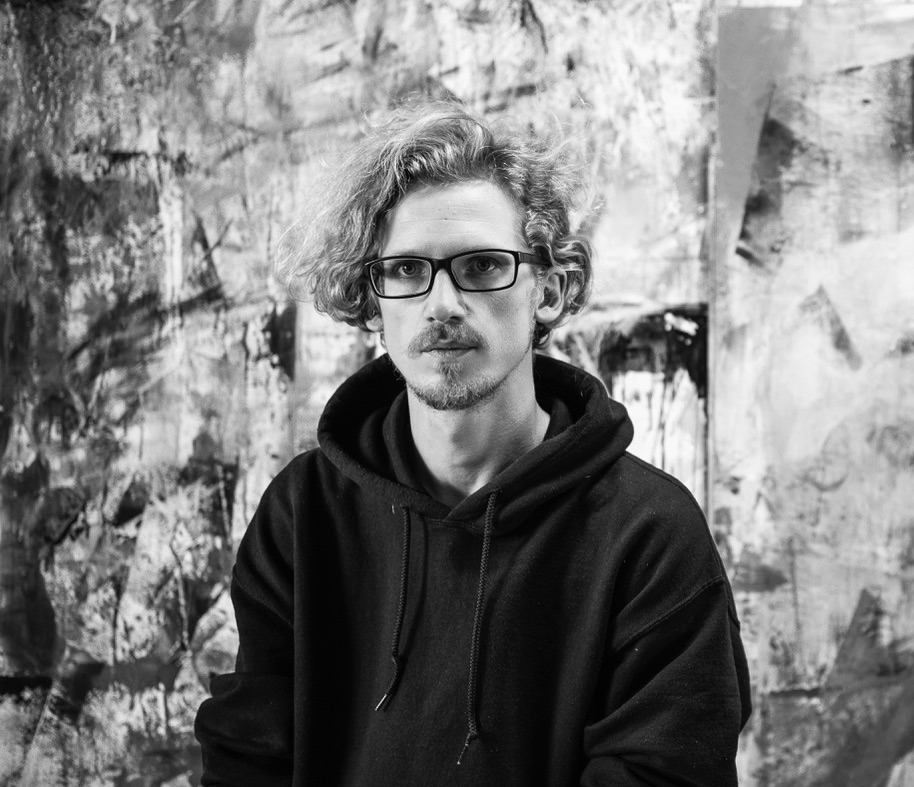
Kimbal Quist Bumstead
Kimbal is an interdisciplinary artist based in London whose work spans painting, drawing, video and performance. He trained in Fine Art at the University of Leeds and the Academy of Fine Arts in Krakow, followed by a Masters degree in Performance and Theatre from Queen Mary University of London. Kimbal’s art is represented at London galleries, including GX Gallery, Jane Newbery Gallery and Aeon Gallery. He is an associate member of the Livingmaps Network and is a freelance workshop leader.
Find me: https://www.kimbalbumstead.com/
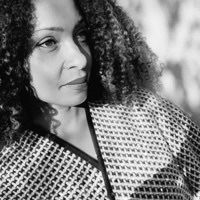
Dr Denise Chapman
Denise is a counternarrative storyteller, spoken word poet, and critical autoethnographer who lectures in children’s literature and early literacy at Monash University, Australia. Denise served as a literacy specialist focused on critical media literacy in Australia, Fiji, and the United States. Denise uses oral stories, children’s literature, poetry, and digital images as counternarrative windows for social change and liberation. Denise is currently exploring the lack of diverse transmedia stories for children and how teachers and parents see its impact on children’s imagined possibilities.
Email me: denise.chapman@monash.edu.au
David Chapman Lindsay
David is an artist and arts administrator, currently working in print, video, and animation. His work has been exhibited all over the United States and Europe. Much of David’s work is presented as site-specific works through the Popwalk app. In these works, he attempts to unravel history and culture within a location, addressing both common and disquieting assumptions that we make about place. The Popwalk smartphone app is an exhibition platform for site-specific art videos that David developed and is administered by a non-profit arts organization based in the United States.
Email me: davidchapmanlindsay@gmail.com
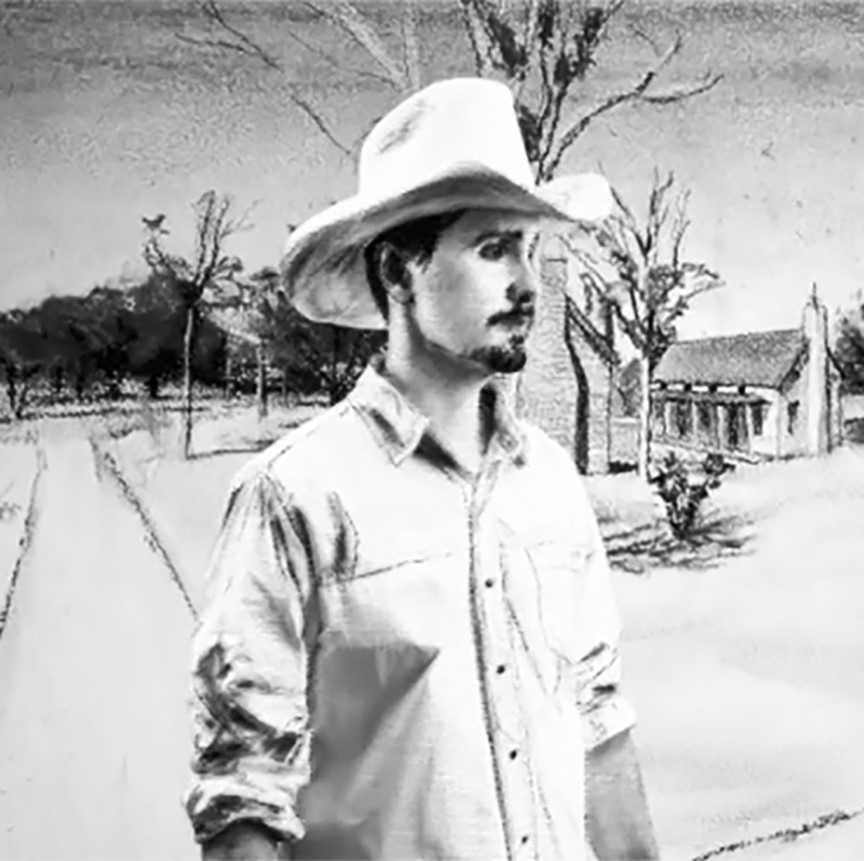

Jackie Coates
Jackie is the Head of the Telstra Foundation Australia. A community investment leader, Jackie is passionate about enabling digital social innovation. Self-described as “analogue at birth but digital by design”, Jackie advocates for the transformative power of tech to solve social problems. As head of the Telstra Foundation, Jackie manages a multi-million dollar community partner portfolio to improve social inclusion outcomes for young people across mental health, disability, digital making, cyber-safety, and remote, regional and Indigenous communities. Feminist, mother, geek, and grant-maker Jackie juggles many balls and tries hard not to drop the glass ones!
Find me: www.telstrafoundation.com
Prof Phil Cohen
Phil is a cultural theorist, urban ethnographer, community activist, educationalist and poet. He is an Emeritus Professor in the Centre for Cultural Studies, University of East London, UK, Senior Research Fellow at the Institute of Advanced Studies, University College London and Research Director of the Livingmaps Network. An urban ethnographer, Phil works with young people and communities in East London, charting the impact of structural and demographic change on their everyday experience and the stories they tell about this area’s past, present and future.
Email me: pcohen763@hotmail.co.uk


Dr Sarah Crinall
Sarah is an adjunct research fellow of childhoods, creative methodologies & philosophies at the Centre for Educational Research, Western Sydney University, Australia. With the everyday ecology and concepts of sustenance, Sarah is committed to playful relational inquiries that take communities beyond patriarchal, economy-system agendas that compromise ecological, climate and public health. In conversation with water and art, her latest monograph, Sustaining Childhood Natures: The Art of Becoming with Water, was published in 2019.
Email me: S.Crinall@westernsydney.edu.au
Sophia Dacy-Cole
Sophia found her academic sea-legs in the activist scenes of Melbourne, Australia. She moved to Montreal to pursue a 2-year artistic residency at the SenseLab, working at the intersection of affect philosophy, sculpture and activism. Sohpia discusses her roots in activism and her current “artivist” work on bringing the viewer into a deeper connection with the world by bringing them back into their bodies. Working at the intersection of affect philosophy, sculpture and activism. Her practice is relational. Sophia collaborates with people, materials and processes, always asking, “what can a body do?”
Email me: sophia.dacy.c@gmail.com
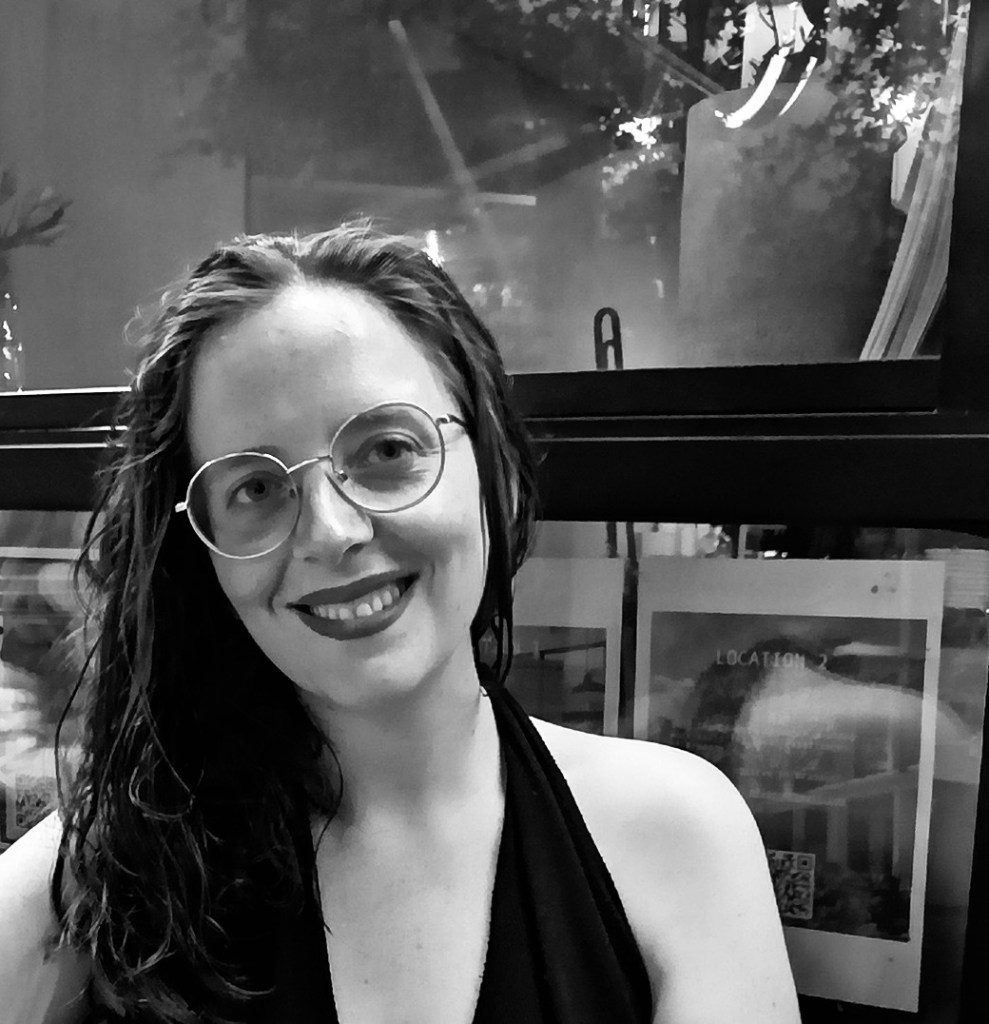
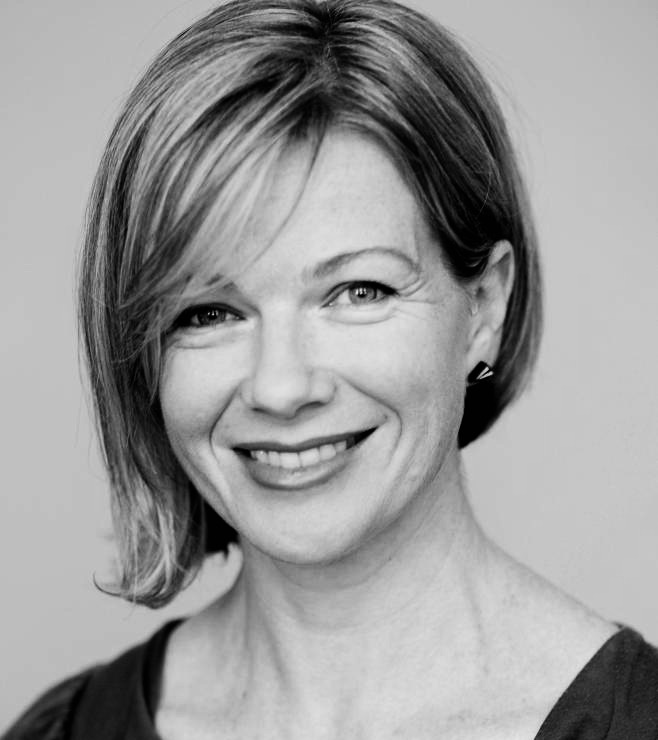
Tara Daniel
Tara has a background in the arts and education, having led programs, exhibition and sculpture park tours, workshops and two funded programs; one for schools in low SES areas, and another for a cluster of schools with students at risk of disengaging with education. Tara’s work explores how the current crisis has highlighted inequities in education and access to the arts and, having moved rapidly to online platforms and how we now need to rethink and redesign for the future.
Contact me: taradaniel@gmail.com
Dr Ruth DeSouza
Ruth is a nurse, academic and community-engaged researcher in gender, race, health and digital technologies. Ruth’s research examines health technologies and health inequalities, the intersections of race, class, gender, neoliberalism and health technology, and wearable health technologies and consumer participation agendas. Ruth is an Honorary Senior Research Fellow at The Centre for Digital Transformation of Health at The University of Melbourne.
Email me: ruth.desouza@rmit.edu.au
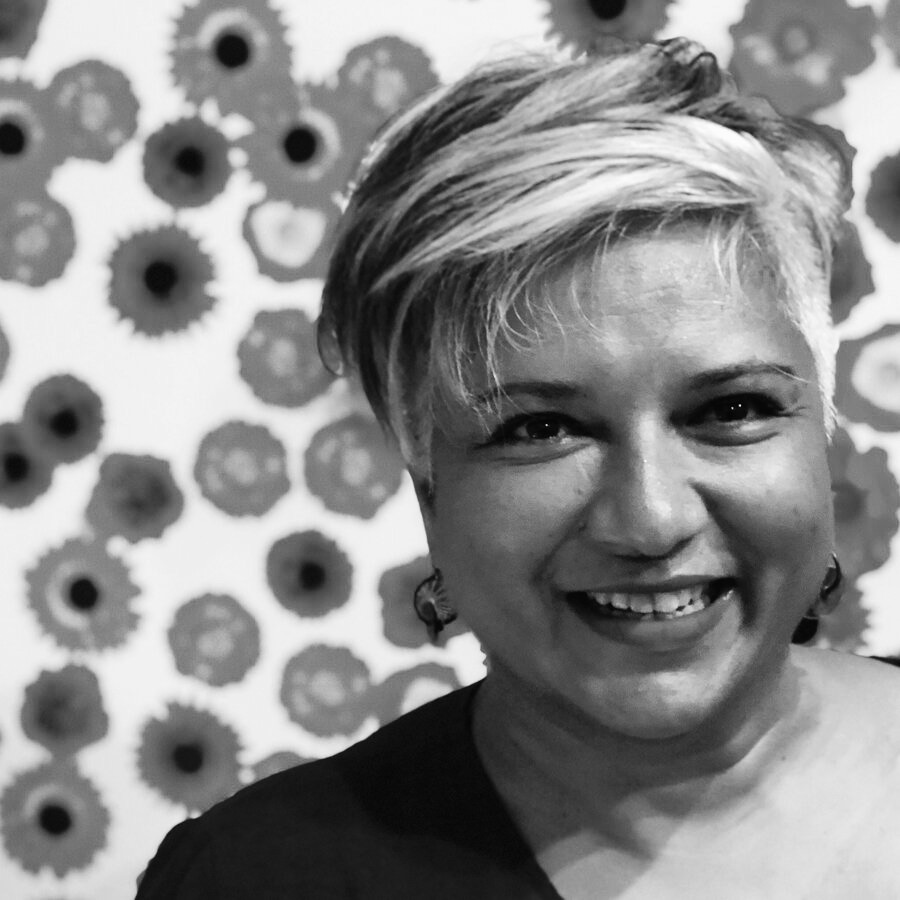
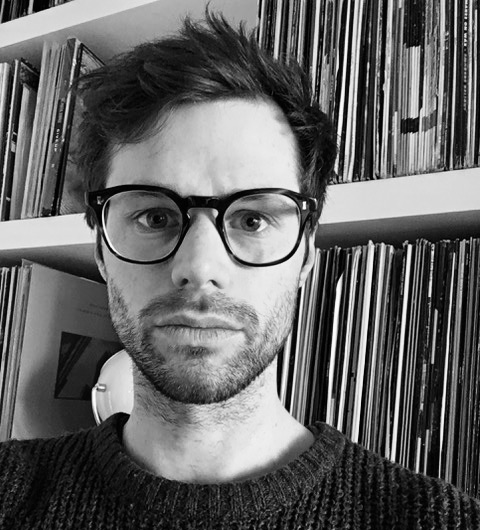
Dr Mike Duggan
Mike is a cultural geographer interested in digital technologies and the ways in which these technologies have come to inform the cultural geographies of everyday practice, and everyday experiences of place. Mike’s research explores how ubiquitous digital mapping technologies augment everyday sensory experiences of place in novel ways. Mike is interested in the ways digital technologies – in this case digital mapping technologies – inform notions of place and how we need to build a deeper understanding how the geographies of culture are produced in the so-called digital world in which we now find ourselves.
Email me: michael.duggan@livingmaps.org.uk
Adam Duncan
Adam is a Biripi man, whose ancestors were traditional custodians of the Manning River region of north-eastern New South Wales, Australia. Adam co-developed the Narragunnawali: Reconciliation in Schools and Early Learning program to support early childhood educators in exploring reconciliation. Adam is an early childhood educator, storyteller, educational consultant and artist.
Email me: adam.duncan@canberra.edu.au


Dr Ferne Edwards
Ferne is a cultural anthropologist who has researched just and sustainable cities in Australia, Venezuela, Ireland, Spain, Norway, and the UK. Her books include the edited volumes ‘Food for Degrowth: Perspectives and Practices’ and ‘Food, Senses and the City’ (both Routledge, 2021) and the monograph ‘Food Resistance Movements: A Journey into Alternative Food Networks’ (Palgrave, 2023). She is currently based at the University of Surrey, UK.
Find me: f.edwards@surrey.ac.uk / https://www.linkedin.com/in/ferne-edwards/?originalSubdomain=uk / https://ferneedwards.info/
Dr Juliana España Keller
Juliana is a Canadian, Swiss, and British sound performance and electronic artist based in Alhaurín el Grande (Malaga), (Andalusia) Spain. Juliana’s multi/trans/interdisciplinary works address all bodies as forms of noise and disruption. Her ‘Public Kitchen’ works have been exhibited globally and contribute to histories of sound performance art, and participatory practices in feminist materialist and posthuman theory. Juliana completed her practice-led PhD at the Victorian College of the Arts, University of Melbourne, Melbourne, Australia. Juliana currently teaches remotely in the Studio Arts Program of Concordia University, Montreal, Quebec, Canada.
Find me: www.julianaespanakeller.com


Dr Aleryk Fricker
Aleryk is a proud Dja Dja Wurrung man and former school teacher. Al recently submitted his PhD at Charles Darwin University, Australia. Al’s thesis is focused on the impact of whiteness on the intersection of sport, education and culture for the children who attend the Papunya School. Al is a Lecturer Indigenous Education lecturer at Deakin University and is working hard to decolonise the education system.
Email me: al.fricker@deakin.edu.au
A/prof Ruth Gibson
Visual artist and choreographer Ruth Gibson works across disciplines to produce objects, software, and installations with artist Bruno Martelli. As Gibson/Martelli, they exhibit internationally. At the heart of Ruth’s performance research is the creative expansion of interface development into evolving science, embodied design, display technologies and somatic practices. Ruth is a member of the British Film Institute’s jury for Immersive Art and XR. A certified teacher in Skinner Releasing Technique with a doctorate from RMIT, she is currently a Reader at the Institute for Creative Culture’s Centre for Dance Research, Coventry University, UK.
Email me: ruth.gibson@coventry.ac.uk
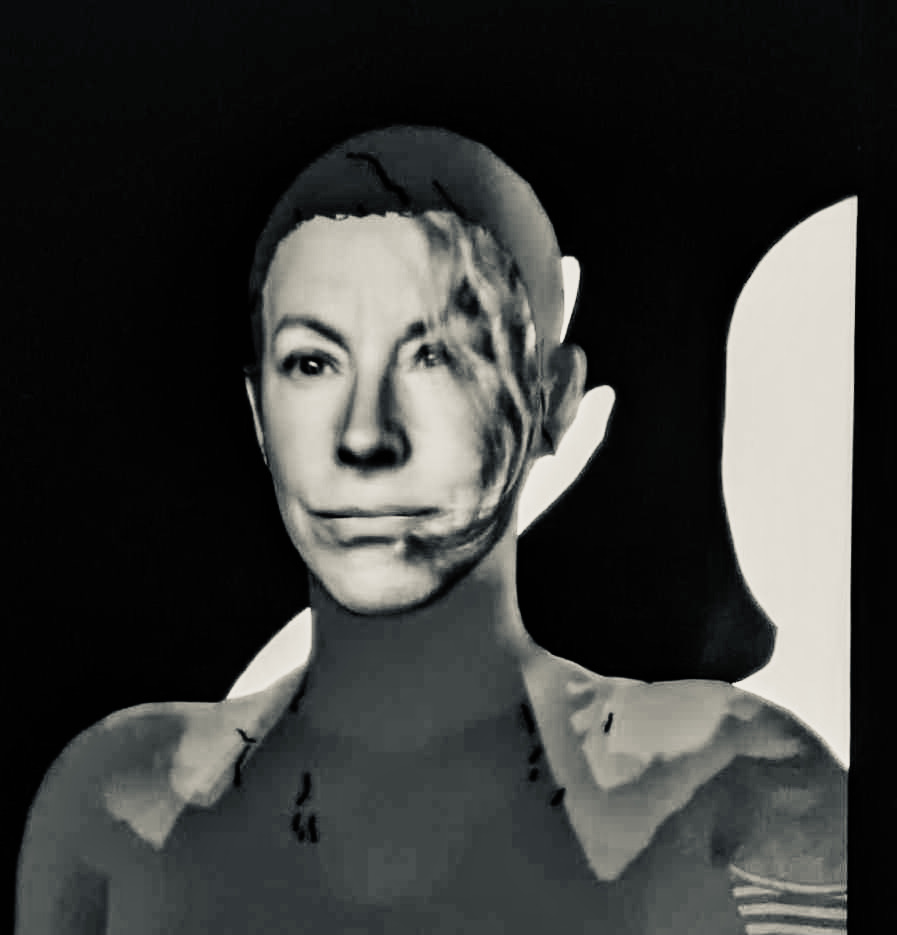

Dr Catalina Hernández-Cabal
Colombian-American feminist scholar, educator, artist, and dancer. Catalina studies political implications and creative possibilities of existing in interdependence. She explores multiple practices of documentation and archiving, making and registering space, and examining embodied history(ies). Care-based relationships are core to all her academic and creative projects. Catalina practices thinking-with through constant collaborations and multiple forms of dialogue. She holds a PhD in Art Education, with Gender Studies and Latinx Studies concentrations.
Find me: http://www.catalinahc.com
Prof Peter Kelly
As a Professor of Education in the School of Education at Deakin University, my research focuses on young people, their education, training, and employment pathways, and their health and well-being at a time of profound planetary crises emerging at the convergence of the 6th Mass Extinction and the 4th Industrial Revolution. The Young People’s Sustainable Futures Lab is a repository for our current research project collaborations.
Email me: pjak.57@gmail.com
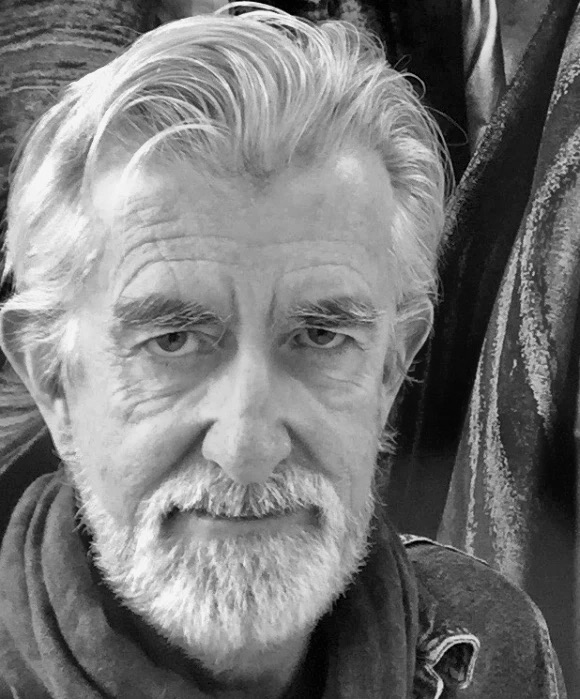
Dr Peggy Karpouzou
Peggy is Associate Professor of Theory of Literature at the Faculty of Philology of National and Kapodistrian University of Athens (Greece). Her research areas are the Literary Theories, Cultural Criticism, Posthumanities and Environmental Humanities. She is Editor in Chief in Ecokritike and Series Editor of the book series “Brill Research Perspectives in Critical Theory” (De Gruyter Brill), “Posthumanities and Citizenship Futures” (Rowman & Littlefield) and “Exeter Studies in Environmental Humanities. Past, Present and Future Econarratives” (University of Exeter Press).
Find me: Here
Dr Giedre Kligyte
Giedre is a Lecturer within the Transdisciplinary School (TD School) at the University of Technology Sydney, Australia. Giedre’s research is focused on transdisciplinary collaboration practices in universities and industry or community organisations to create ‘third spaces’ and to stimulate mutual learning, new ways of thinking and creativity. Giedre is a co-founder of xFutures Lab transdisciplinary collective. Together with the xFutures Lab team, Giedre won the 2021 Vice-Chancellor’s Teaching and Learning Award “For transforming Bachelor of Creative Intelligence and Innovation students into transdisciplinary futures-thinkers”.
Find me: @giedre on X
Dr Katve-Kaisa Kontturi
Katve-Kaisa, is at University of Turku, Finland. Katve-Kaisa was a McKenzie Postdoctoral Fellow with the project ”Affective Fabrics of Contemporary Art: Stitching Global Relations” at the Victorian College of the Arts, The University of Melbourne, where she continues to supervise practice-led PhDs. Katve-Kaisa is a member of SenseLab’s Australian Hub and The National Institute of Experimental Arts at the University of New South Wales, Sydney. She has held visiting researcher positions in Gender Studies, The University of Sydney, in History of Art at UC Berkeley, and at the Finnish African Cultural Institute of Villa Karo in Benin.
Email me: katkon@utu.fi
Prof Mirka E. Koro
As a Professor of Qualitative Methods, Mirka works at the intersection of methodology, philosophy, and socio-cultural critique. She contributes to methodological knowledge, experimentation, and theoretical development across various traditions associated with qualitative research. She specifically uses theories from postpositivism to new materialism, from domain analysis to rhizoanalysis and posthuman critique. Mirka has written about research designs broadly defined, data, different methods, research participation, validity, representation, writing, and various problems with simplicity, technicality, and neoliberal pressures affecting contemporary qualitative research.
Email me: mirka.koro@asu.edu


Jacina Leong
Jacina is an artist-curator committed to the role that cultural organisations can play in bringing people together to explore and respond to overlapping crises and precarious futures through situated and accessible, critical and creative arts initiatives. This commitment has been shaped by professional experiences, working as a public programs curator since 2008, with and for museums and galleries, universities and schools, libraries and festivals across Australia, Japan and Austria. Jacina is a PhD candidate at RMIT University, a Peer Assessor for the Australia Council for the Arts and Arts Queensland, and occasionally takes pictures of cloudy data.
Find me: http://jacinaleong.com/
Kathryn Nusa Logan
Kathryn is an interdisciplinary artist who utilizes experimental art practices to imagine new futures through ongoing themes of perspective, lineage, and environment. Her work integrates contemporary dance, folk and new music, spatialized sound design, video art, multi-media installation, and performance. She takes on supportive, cooperative, and leadership roles in collaborative art-making processes, often performing in a fluid disciplinary capacity. Her primary research is based on integrated dance-with-camera works that holistically consider the camera in the making process. Through this work, she interrogates the dominant gaze by engaging in new, somatic-based practices of looking.
Find me: Kathryn Nusa Logan

A/prof Alys Longley
As an interdisciplinary artist, and through methods of choreographic experimentation, Alys investigates dance as professional performance, creative expression, community practice and education. Alys is in the Dance Studies Programme at the University of Auckland, NZ. Formerly a theatre director and creative writer, Alys explores the wellness of young people, healthy societies, creative arts in education and environmental issues. Alys specialises in practice-led research, interdisciplinary projects, ethnography, somatic practices, ecology and inclusive dance education.
Find me: http://www.creative.auckland.ac.nz/people/a-longley
Dr Licho López
Licho is a Caribbean, Queer, and Brown scholar of Indigenous background whose life begins in Abya Yala and moves through continental Africa, Europe, the US, and Australia. Licho explores theatre in teaching communities of practice, Indigenous curriculum history in teacher education, visual cultures of refugee encampment and humanitarianism, and popular visual and digital cultures to end antiblack racism, coloniality, and their multiple reverberations in schooling. Licho is Profesora Facultad de Educación/Professor Faculty of Education
Universidad de Antioquia/University of Antioquia. Licho was a McKenzie Fellow at the University of Melbourne, Erasmus Mundus Fellow, Universitet i Stavanger, and Mbarara University. With Gioconda, Coello Licho leads the disturbing decolonizing movement @DDecolonization.
Email me: l.lopez2@udea.edu.co
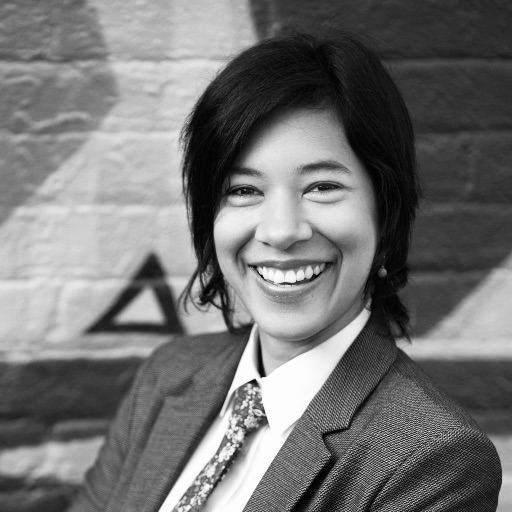

Georgia McLellan
Georgia (Whakatōhea & Ngāi Te Rangi) is a doctoral candidate at Waipapa Taumata Rau (The University of Auckland). Her PhD, titled Assembling Māori Kuku (Green-lipped mussel) Economies, seeks to discover how kuku has economized, how these economies have shifted over time, and how they encompass customary considerations, local livelihoods, and high-value export industry. Through this work, Georgia is also attempting to map kuku economies and ground this mapping in a Māori epistemology.
Contact me: gmcl740@aucklanduni.ac.nz
Dr Megan McPherson
Megan is a settler artist, educator, and researcher based at the Wilin Centre for Indigenous Art and Cultural Development, The University of Melbourne, Australia. Megan’s creative practice research is in printmaking, textiles and installations. Megan publishes on academic identity, social media use, Indigenous knowledge and pedagogies, and student success in the creative arts. Megan explores the intersections of pedagogical and material engagements in artistic, social and cultural productions using ethnographic, sociological, and creative practice methodologies to explore identity, subjectivities, affect and agency.
Find me: http://www.meganmcpherson.com.au

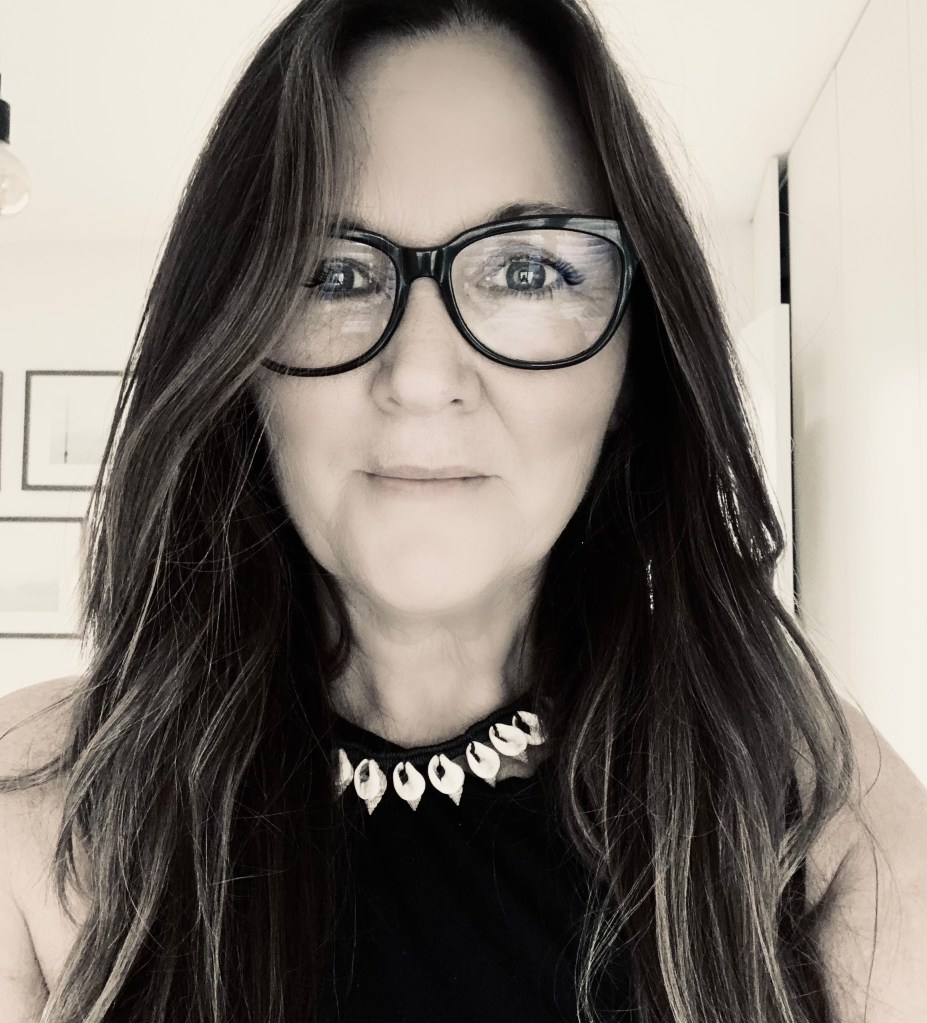
Prof Karen Malone
Working in Environmental Sustainability and Childhood Studies at Swinburne University of Technology, Australia, Karen researches urban ecologies, environmental sustainability education, science education and nature and childhood studies with a specific focus on damaged urban landscapes. Karen has conducted UNICEF and UNESCO-funded research in majority and minority-world nations. Karen uses post qualitative research methodologies with young children, and in her career, Karen has attracted over 2.4 million dollars in research grants, awards and consultancies.
Email me: kmalone@swin.edu.au
Prof Giuliana Mandich
Giuliana is a sociologist at the University of Cagliari (Italy). Her research addresses time as a social dimension and explores how we engage with the future in everyday life. Recent publications have appeared in Time & Society, Journal of Youth Studies, and Space and Culture. She currently coordinates ‘Mapping Youth Futures: forms of Anticipation and Youth Agency’, a research project analysing contemporary young people’s imaginaries of the future in Italy today.
Find me: https://www.mappingyouthfutures.it/

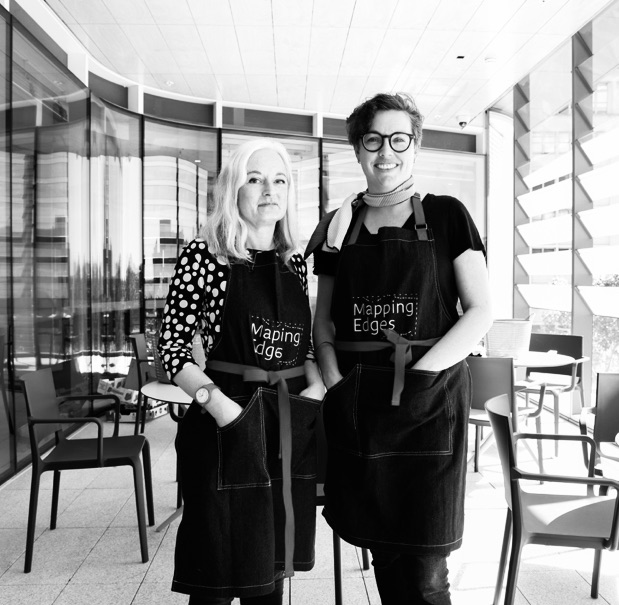
Mapping Edges
A/prof Ilaria Vanni & A/prof Alexandra Crosby
Ilaria and Ali co-direct Mapping Edges, a civic ecologies project that brings together a transformation of and care for place and the environment.
Ilaria, who lives and works on Gadigal land, is in International Studies and Global Societies at UTS, Australia. Motivated to develop critical tools to engage with pressing social and environmental issues, Ilaria’s work combines feminist, creative and place-based methods and theories to research design and material culture. Ilaria publishes in English and Italian in design history and theory, cultural studies and social sciences.
Alexandra, in the School of Design at UTS, works on expanded notions of design, including design activism. Ali publishes in design and humanities journals including Australian Geographer, Visual Communication, and Design Issues. Ali has co-written reports that impact industry and government, including Made in Marrickville and Technology and protest in Indonesia.
Find us: https://www.mappingedges.org
Prof Annette Markham
Annette is internationally recognised for her arts-based intervention research and developing epistemological frameworks and methods for digitally-saturated social contexts. Annette’s recent research focuses on critical approaches to algorithms and datafication, speculative methods for building better ethical futures, data literacy and critical pedagogy, and rhetorical analysis of human-machine communication through automated, algorithmic systems.
Find me: http://www.annettemarkham.com
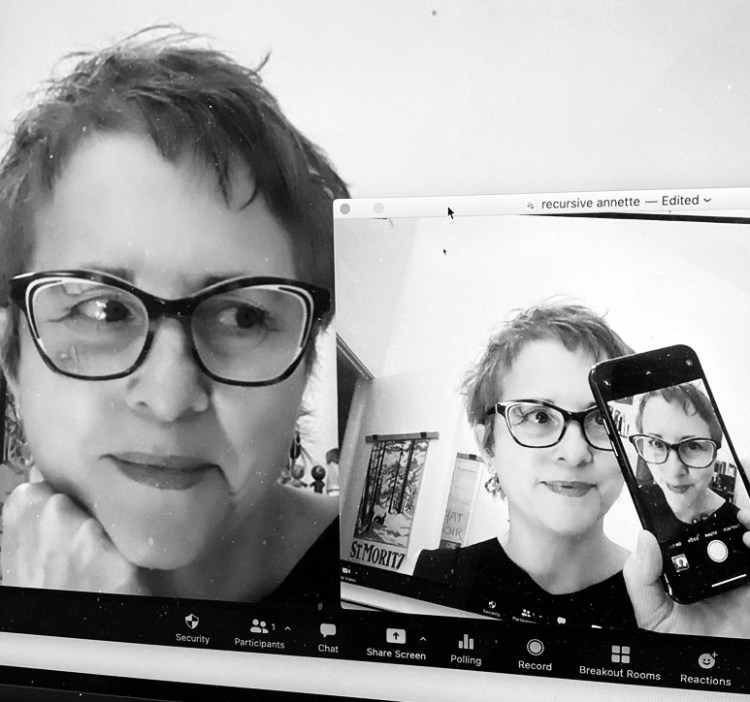
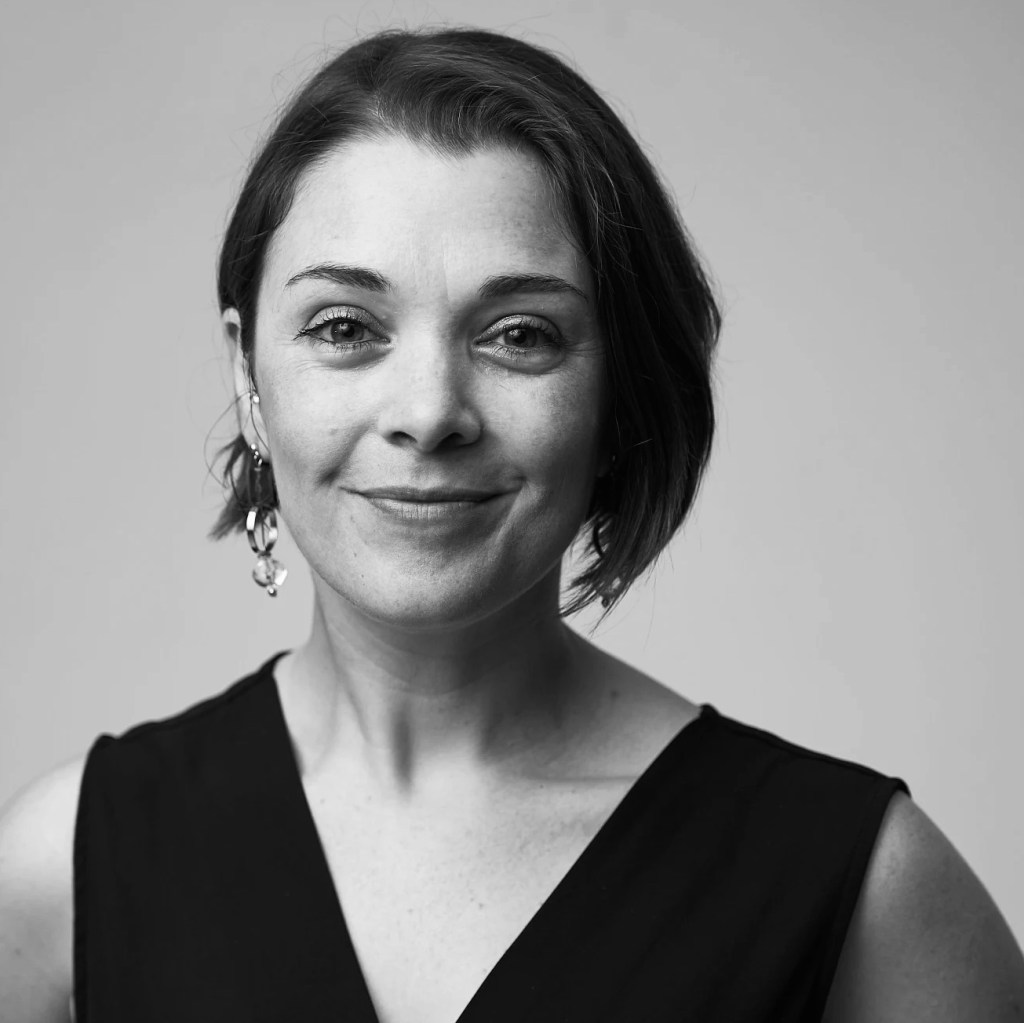
Claire Marshall
Claire has a love for stories, technology and social good. An award-winning futurist, her work melds story-telling, future thinking and experiential learning to help people understand how our brains think about the future and how we can better imagine regenerative futures. Claire works with clients like WWF Australia and the City of Sydney, designing experiences that help people think differently about the future. Claire hosts The WWF Greenhouse Sessions Podcast, which looks at how we can leverage technology to save the planet. She is currently undertaking doctoral research at the University of Technology Sydney, where she also lectures.
Email me: claire.marshall@uts.edu.au
Dr Sid Mohandas
Sid is a former Montessori educator, teacher trainer, and guest lecturer at Middlesex University, UK. He founded The Male Montessorian (TMM) and the Montistory platforms. Sid is currently doing his doctorate at Middlesex University, investigating how gender materialises in Montessori spaces using feminist posthuman/’new’ materialist and decolonial theories.
Email me: sidharth.mohandas@gmail.com


Dr Sarah Jane Moore
Sarah Jane is an artist who lives in lutruwita/trowunna Tasmania. She is an Adjunct Associate Lecturer within the Biological, Earth and Environmental Sciences (BEES) at UNSW, Australia. Sarah Jane holds a PhD in Reconciliation through Music and Art from the University of Sydney, on the transformational possibilities of song writing and visual art making. In 2019 Sarah Jane was the ANAT on Country Synapse resident artist and this program enabled her to develop a deep and listening relationship with the Baludarri (Sydney Rock Oyster).
Email me: sarahjane.moore@unsw.edu.au
dr lynn mowson
lynn is a sculptor whose practice is driven by the entangled, often violent, relationships between human and non-human animals, in particular those animals we consume. lynn is part of the collaborative m0wson&MOwson; their work ‘feeler’, responding to the motherhood and death of octopuses, is currently touring Australia as part of Experimenta Lifeforms: International Triennial of Art 2020-2022. lynn’s sculptural research has been exhibited nationally and internationally, and featured in Animaladies, (Bloomsbury), The Animal Studies Journal, Antennae, and The Art of the Animal. lynn is currently Vice-Chair of the Australasian Animals Studies Association.
Find me: http://www.lynnmowson.com
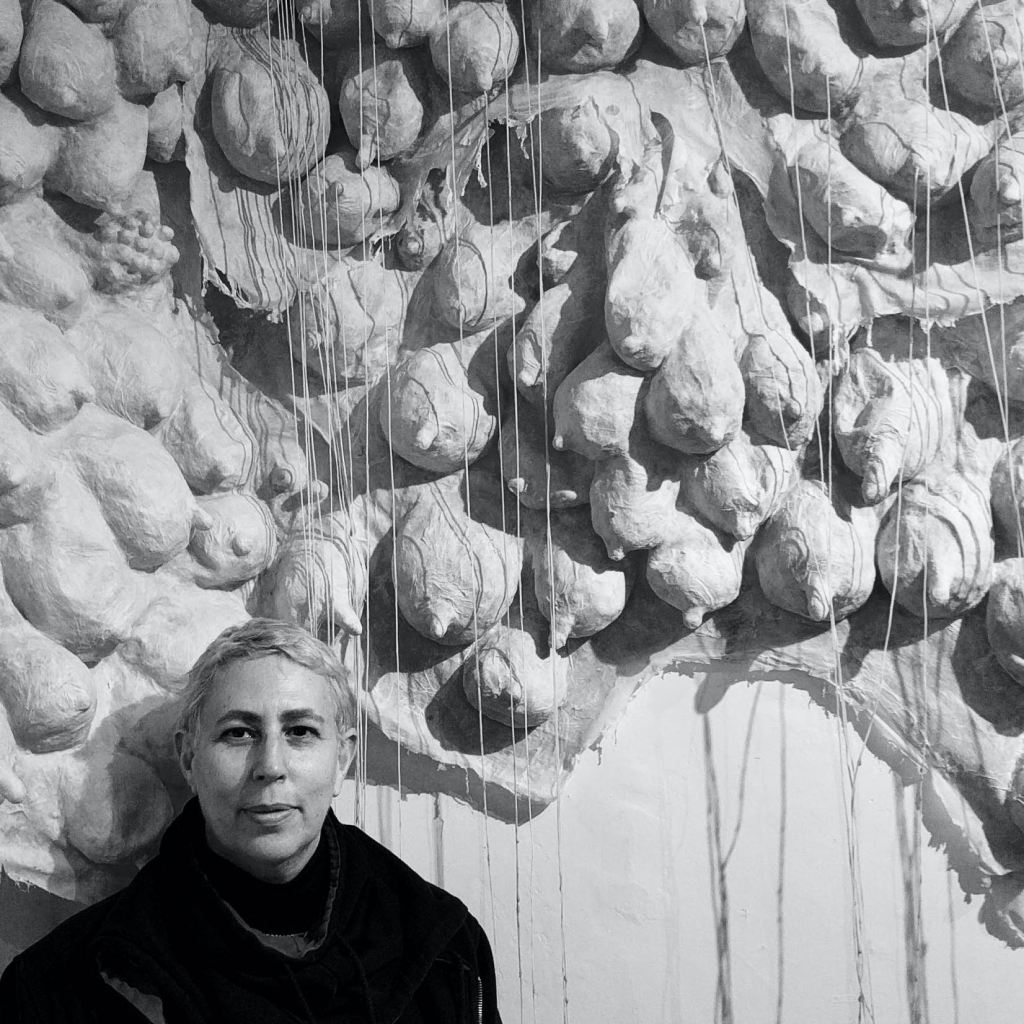

Dr Annemarie Murland
Annemarie Murland, a Scottish artist, and educator, currently resides in Newcastle, Australia, situated on Awabakal and Worimi land. Annemarie’s art practice and research explore the enduring impact of intergenerational migration through an interdisciplinary approach to painting that places a significant emphasis on materiality and context.
Email me: annemariemurland@gmail.com
Dr Andrew Murphie
Andrew researches: media, technics, politics and organisation; bioentropy and climate change communication; catastrophic and counter-catastrophic multiplicities; process philosophy; speculative pragmaticism; “the world as medium” and/vs a “third media revolution” (AI, automation, pre-automation; ghosted presence in VR, augmented, mixed realities; data and signaletics; genetics, drones and the internet of things); the way cultures of representation are currently being subsumed into a radical in-folding of world/ media/technics.
Email me: andrew.murphie@gmail.com


A/prof Susan Nordstrom
Susan is in the Department of Counseling, Educational Psychology, and Research at The University of Memphis, USA. Susan specialises in the entanglements of making, philosophy, and research within educational research. Her agenda includes the study of poststructural and post-humanist theories, Deleuze, new materialism, human and nonhuman relations, onto-epistemology, and qualitative research methodology. She has published in leading qualitative research journals, exhibited art locally in Memphis, and given workshops and keynotes across the globe. Her book about multispecies inquiry is under contract with Routledge.
Email me: snnrdstr@memphis.edu
Kiera O’Toole
Kiera O’Toole is a visual artist and a doctoral researcher at Loughborough University UK.
O’Toole’s practice and research examines drawing’s capacity to materialise the nonrepresentational aspects of our world by mapping the ‘emotional vibrations’ of spaces.
O’Toole combines fieldwork, material and phenomenological research to enquire the ways
in which atmospheric spaces are co-present in drawing. Her drawing outputs include,
residencies, publications, and exhibitions within gallery and non-gallery spaces.
Find me: https://www.kieraotooleartist.com


A/prof Cecilie Ottersland Myhre
Cecilie Ottersland is in Early Childhood Pedagogy at the Institute of Early Childhood Education, Oslo Metropolitan University, Norway. Her research explores posthuman/more-than-human, feminist and new materialist theories. Inspired by affective and diffractive methodologies, recent work attempts to interfere with dominant discourses that pervade children’s playfulness and relations with the more-than-human in kindergarten.
Email me: cecomy@oslomet.no
Lizzie O’Shea
Lizzie is a lawyer and writer. Lizzie is featured regularly on television programs and radio, where she discusses law, technology, or human rights. Lizzie’s writing has appeared in the New York Times, Guardian, and Sydney Morning Herald, among others. Lizzie is founder and chair of Digital Rights Watch, which advocates for human rights online. At the National Justice Project, Lizzie helped establish a Copwatch program, for which she was a recipient of the Davis Projects for Peace Prize. In June 2019, Lizzie was named a Human Rights Hero by Access Now.
Find me: https://lizzieoshea.com/contact/
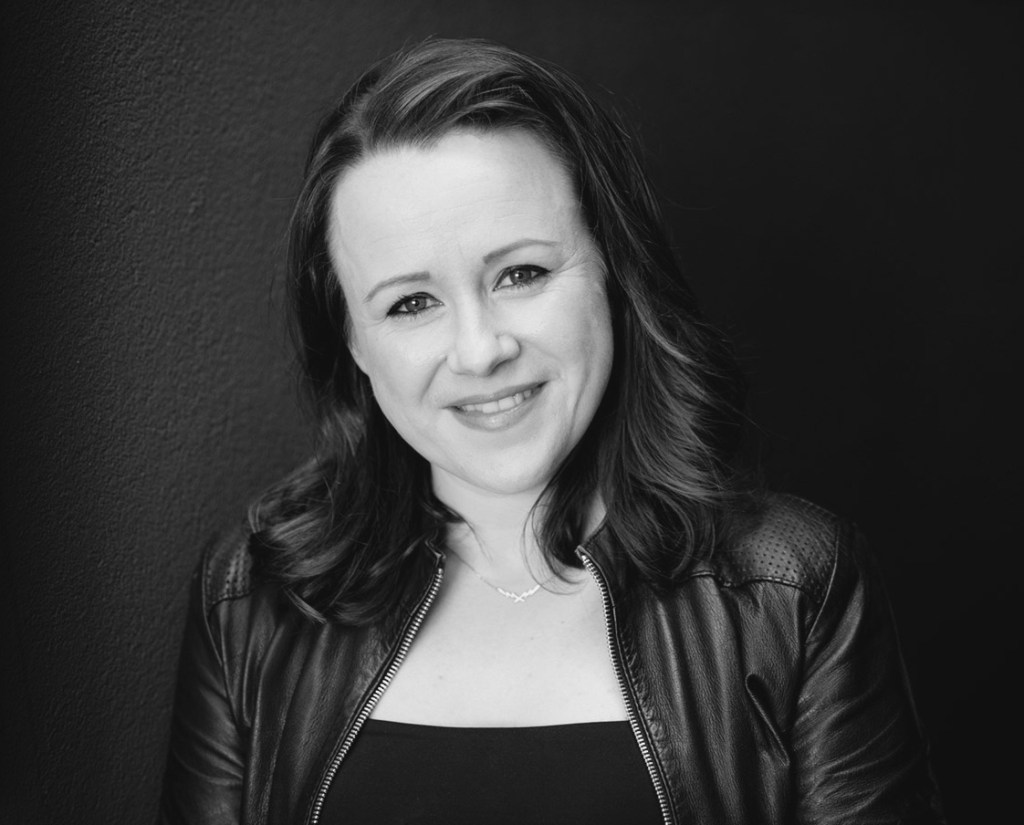
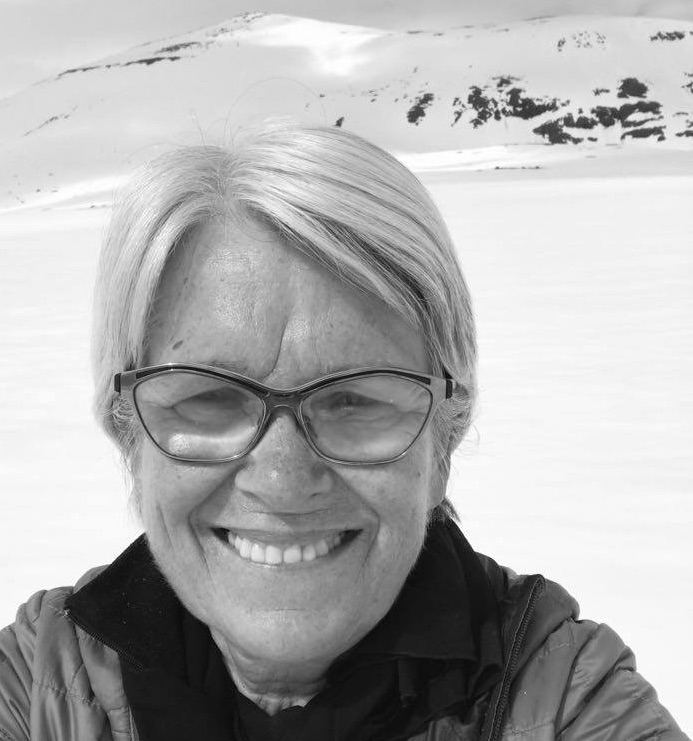
Prof Ann Merete Otterstad
Ann Merete Otterstad has actively participated in the field of early childhood for over 40 years, entangling critical theories, new feminist material thinking and experimenting in early years research. Ann Merete explores methodological experimentation to question researcher subjectivities and the politics of childhoods. Ann Merete co-founded and co-edits the research journal ‘Reconceptualizing Educational Research Methodologies.’
Email me: ann.otterstad@inn.no
Julie Patarin-Jossec
Julie Patarin-Jossec‘s (she/they) research spans the areas of feminist and decolonial ethics, environmental studies, and visual sociology. Through ethnography and audiovisual methods, she is interested in how colonialism generates politics of dispossession, species domestication, and exclusion in underwater ecologies. Her publications include the book The Thread of Water: An Essay on Photography, Ethnography, and Feminist Ecologies (2023, Immaterial Books) and the short film The Measurement (2023, LUMA Arles).
Email me: patarinjossec.julie@gmail.com

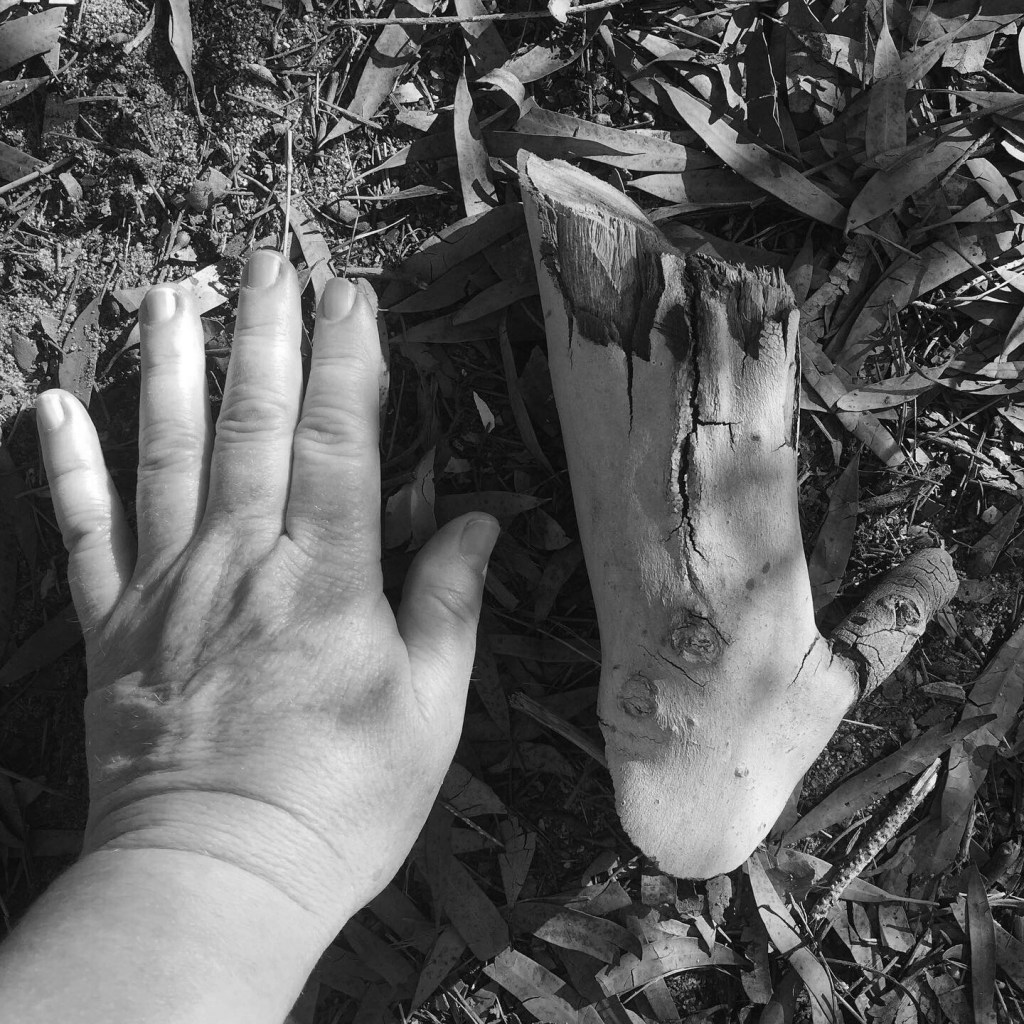
Dr Perdita Phillips
Perdita was born on unceded Whajuk Noongar land in Perth, Western Australia. Perdy works across installation, environmental projects, walking, sound, video, publishing and object making. Her ‘ecosystemic thinking’ engages material and conceptual networks as diverse as drains, minerals, termites and bowerbirds at the intersection of the human and non-human worlds. Trained in Environmental Science, Perdita was awarded a British Commonwealth scholarship to Goldsmiths College, and her practice based PhD is in the top three annual abstracts by Leonardo Abstracts. She has had two Australia Council Inter Arts Grants.
Email me: perdy@perditaphillips.com
Dr Jo Pollitt
Jo is an interdisciplinary artist and Postdoctoral Research Fellow at Edith Cowan University, Australia, where she is co-founder of the feminist research collective The Ediths. Jo’s work is grounded in a twenty-year practice of using improvisation as methodology across multiple performed, choreographic and publishing platforms. Jo’s practice-led scholarship investigates poetic pedagogies of more-than-human education through feminist, anti-colonial, embodied and interdisciplinary methods. She is a lecturer in dance improvisation at the Western Australian Academy of Performing Arts.
Email me: j.pollitt@ecu.edu.au

Dr Liana Psarologaki
Liana is founder of Architecture at Suffolk, a new programme at the University of Suffolk, UK. Liana is elected Chair, Education for RIBA East Region, and the research lead for the design strand in the Suffolk Sustainability Institute, overseeing business engagement partnerships and community engagement projects in the area of Architecture and the Built Environment with a focus on urbanism, citizenship, pedagogy and sustainability. Liana is a Qualified Architect (ARB and TCG-TEE), a chartered member of the Royal Institute of British Architects (RIBA), a Fellow of the Royal Society of Arts (RSA) and a Senior Fellow of AdvanceHE (HEA).
Email me: l.psarologaki@uos.ac.uk
Dr Sue Reid
A transdisciplinary, cultural researcher, artist and writer with interests across multibeing ontologies, relationalities and justice, and posthumanist feminisms. Susan is also an environmental activist, lawyer, and member of the Sydney Environment Institute. She is a collaborating researcher with the University of Sydney’s ‘Extracting the Ocean’ project, and current research explores ocean and legal imaginaries and frameworks for ocean justice.
Email me: susan.reid@sydney.edu.au

Dr Jenny Roche
Jenny, Senior Lecturer in Dance and Course Director of the MA Contemporary Dance Performance at the Irish World Academy of Music and Dance, University of Limerick, Ireland, explores the creative practice of dancers, dance and somatics and art practice research. Jenny focuses on the phenomenological perspective of dancers as self-aware participants in the choreographic process and the material through which the choreography is realised and the dance formed. Jenny is a dancer, having worked with choreographers Rosemary Butcher, Jodi Melnick, John Jasperse, Michael-Keegan Dolan and Liz Roche. Jenny continues to collaborate and perform in creative arts research contexts.
Email me: jenny.roche@ul.ie
A/prof Dawn Sanders
Dawn, at the University of Gothenburg, Sweden, researches across the art/science interface. Dawn explores how such ways of working might allow us to create new attentional frames in teaching and learning contexts towards plants and notions of “plantness”. Dawn’s other main research interests involve the literary imagination as an extension of environmental aesth/ethics and contemporary affordances of Victorian taxidermy in natural history museums, particularly in didactical contexts concerning life and death.
Email me: dawn.sanders@gu.se

Leah Sandler
Leah is an interdisciplinary artist and writer based in Florida. Watching the decline of capitalism from the sand pine scrub and urban sprawl of Orlando, Leah constructs parafictional worlds through mediums including video, text, drawing, and flag making. These parafictions flesh out imagined post-capitalist institutions, rituals, histories, manifestos, and landscapes. Leah’s work appears in Specs Journal, Mapping Meaning Journal, Killer Dentist, Salat Magazin (Dusseldorf) and Orlando (UK). Exhibitions include Utopian/Vermillion at Parkhaus 15 and 2020 Florida Biennale and a solo exhibition at Pancake House (MN) is forthcoming.
Email me: msandler@uarts.edu
Prof Alexis Shotwell
Alexis lives, teaches, and writes on unceded Algonquin land, currently Ottawa, Ontario, Canada. In Carleton University’s Dept. of Sociology and Anthropology and cross-appointed with the Pauline Jewett Institute of Women’s and Gender Studies and the Dept. of Philosophy, Alexis works in social and political theory, with a focus on complicity and complexity as a ground for ethical and political action. Alexis is currently writing about the idea of white people “claiming bad kin” or “collecting our people,” what Ursula Le Guin’s work offers to our understandings of freedom and mutual aid and craft as a practice of politics.
Email me: alexis.shotwell@carleton.ca


Rachel Sinquefield-Kangas
Rachel’s research examines how artistic practices, physical materials, and nonhumans co-conjure or evoke empathy in critically challenging current human-centred ideas of empathy. She has published articles in art education connected with ideas of artistic practices and empathy, empathy performativity, temporality in empathy and art, and art education in the fourth Industrial Revolution. Rachel earned her BA in Dance from Loyola Marymount in California. Later, she received her M.Ed. in Curriculum & Instruction at the University of Missouri. Before completing her Ph.D. at the University of Helsinki in the faculty of Educational Sciences, Rachel worked in the U.S. as a K-12 public-school art teacher and museum educator. Currently, Rachel is a postdoctoral researcher for the project Children of the Anthropocene-Atmospheres.
Contact me: rachel.sinquefield-kangas@helsinki.fi
Dr Ben Spatz
Ben is a diasporic, post-European, Jewish nonbinary researcher and theorist of embodied practice. They are Senior Lecturer in Theatre and Performance at the University of Huddersfield, UK. Ben is the author of three books: What a Body Can Do (Routledge), Blue Sky Body (Routledge), and Making a Laboratory (Punctum). Ben is the founding editor of the videographic Journal of Embodied Researcher and a leader in the development of embodied research methods. Their work has been presented at more than thirty institutions in twelve countries.
Find me: https://urbanresearchtheater.com/

Towards Atmospheric Care
Hanna Husberg & Agata Marzecova
Towards Atmospheric Care is an art-led research project by visual artist Hanna Husberg and researcher in ecology, photography and new media Agata Marzecova. Towards Atmospheric Care explores air as a naturalcultural and technoecological phenomenon situated in the nexus of media, science and technological mediation. The project is developed through situated case studies that explore different ways and practices of making the materiality of air and atmospheric phenomena perceptible to human experience and how these practices contribute to the construction of specific environmental imaginaries, legitimising certain practices over others and influencing how boundaries are drawn.
Find us: http://www.towardsatmospheric.care
Dr Alice Wexler
Alice received an Ed.D in Arts and Humanities from Columbia University, Teachers College. She received an MFA and graduated with distinction at the Royal College of Art in the UK. She received a BFA in Fine and Applied Arts from Boston University. She was a Professor of Art Education at SUNY New Paltz from 1999 to 2015 and continues to teach as an invited lecturer. She published numerous articles in journals such as Studies in Art Education, the Journal of Social Theory in Art Education, and the International Journal of Education Through Art.
Contact me: awex26@gmail.com
Dr Henrika Ylirisku
Henrika is a researcher-artist and an art educator based in Finland. She is a postdoctoral researcher at the University of Helsinki in the “Children of the Anthropocene” project, studying multispecies relations and the atmospheres of young people growing up in the environmental crisis. Henrika’s work intersects arts and art education, environmental education, and multispecies research. Lately, she has published on the theoretical groundings of environmental art education and on artistic methodological experimentation.
Contact me: henrika.ylirisku@helsinki.fi
Dr Nikoleta Zampaki
Nikoleta is a Postdoctoral Researcher at the Faculty of Philology of National and Kapodistrian University of Athens (Greece). Her disciplines are the Environmental Humanities, Posthumanities, Digital Humanities, and Comparative Literature. She is an Associate and Managing Editor in Ecokritike, Series Editor of the “Exeter Studies in Environmental Humanities. Past, Present and Future Econarratives” (University of Exeter Press) and co-Editor of the book series “Posthumanities and Citizenship Futures” (Rowman & Littlefield).
Contact me: nikzamp@phil.uoa.gr

 Mapping Future Imaginaries